In June 2026, hundreds of dancers simultaneously performed Zeibekiko in Thessaloniki, Greece, breaking a Guinness World Record. The event quickly made headlines around the world and attracted great attention on social media. But with this news, an age-old question on both sides of the Aegean came back into focus:
What exactly is Zeibekiko? Is it connected to the Turkish Zeybek dance? Where do the true origins of this dance lie?
The answer to these questions takes us not only to the story of a dance, but also to a shared Aegean cultural heritage stretching from the Ottoman period to the present day.
The Story That Began with the Steps of the Efe
The origins of Zeibekiko go back to the Zeybeks who lived in the mountains of Western Anatolia. The Zeybeks, who lived around Aydın, Izmir, Manisa, Muğla, and Balıkesir, were among the most distinctive communities of the Ottoman period. Known for their bravery, independent lifestyle, and unique clothing, the leaders of the Zeybeks were called "Efe," while their assistants were called "Kızan."
The Zeybek dance, which today holds an important place among Turkish folk dances, is also a reflection of this culture. Eagle-like arm positions, slow and determined steps, low turns, and a proud body language... All of these are not just a dance, but an expression of character. A person dancing Zeybek represents courage, freedom, pride, and honor.
The Journey from Ottoman Ports to Greece
During the 19th century, there was intense cultural interaction between Izmir, Ayvalık, Lesvos (Midilli), Chios, Istanbul, and Thessaloniki. Turks, Greeks, Jews, Armenians, and Levantines shared the same ports, coffeehouses, music, and entertainment culture. In this environment, Zeybek culture did not remain confined to Anatolia. In particular, the Greek communities living in Izmir and Western Anatolia carried this music and dance into their own culture.
With the population exchange after 1922, the migration of hundreds of thousands of Anatolian Greeks to Greece further accelerated this cultural transfer. This is how the Zeibekiko danced in Greece today came into being. Even the origin of the word shows this: Zeybek → Zeibekiko (Ζεϊμπέκικο). Greek sources also acknowledge that the dance takes its name from the Zeybeks of Anatolia.
Differences Between Turkish Zeybek and Greek Zeibekiko
Although the two dances share common roots, they have developed in different directions over time.
- Turkish Zeybek is more about: heroism, courage, efelik, and social leadership.
- Greek Zeibekiko, on the other hand, is more about: emotions, love, longing, sorrow, and the hardships of life, and has evolved into an individual dance.
While Turkish Zeybek looks like a challenge, Zeibekiko often resembles a silent conversation with one's inner world.
Why Is It Danced Alone?
This is its most striking feature. In Greece, the person dancing Zeibekiko traditionally goes alone to the center of the floor. Others stand around and watch. No one interferes with the dancer. Because Zeibekiko is accepted more as an emotional expression than a performance. For many Greeks, this dance expresses heartbreak, lost friends, migration stories, and life struggles. Therefore, when Zeibekiko starts in tavernas, the atmosphere changes instantly; the music rises, conversations fade, and everyone respectfully gives space to the dancer.
Zeibekiko Culture on Lesvos Island
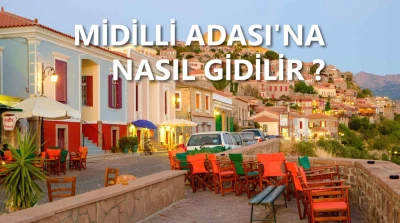
Today, visitors to Lesvos Island (Midilli) immediately notice that Zeibekiko is an important part of daily life. Especially in areas such as Mytilene, Plomari, Molyvos, Agiasos, and Skala Kallonis, Zeibekiko is often performed during music nights. When live music starts in Greek tavernas, it is possible to watch several Zeibekiko performances later in the evening. Particularly in traditional Aegean nights accompanied by ouzo, this dance is an inseparable part of the culture.
The Real Significance of the Guinness Record
The record attempt in Thessaloniki was not just a dance event. This organization aimed to:
- increase the international visibility of Greek culture,
- raise awareness about Alzheimer’s disease,
- and boost Thessaloniki’s tourism value.
Although hundreds of people dancing Zeibekiko at the same time is not very consistent with its traditional (individual) form, the event made a major impact in terms of promoting cultural heritage.
Conclusion: More Than a Dance, a Shared Heritage
Both Zeybek and Zeibekiko tell the story of the Aegean. One was born in the mountains of Western Anatolia. The other, nourished by the same roots, gained a new identity in the cities of Greece. Today, although these dances remain part of the cultural life of two different countries, the traces of the same sea, the same wind, and the same historical journey lie at their roots.
📺 GÜVENTUR Tip: If you want to experience this shared rhythm of the Aegean firsthand and feel the spirit of Zeibekiko in Lesvos’ authentic tavernas, you can explore GÜVENTUR’s Midilli tours departing from Dikili and ferry ticket options. The music of the Aegean learned to cross borders centuries ago; now it’s your turn!