









Lemonos Monastery - The Historical and Spiritual Center of Lesbos

28-03-2026 Midilli
Lemonos Monastery - The Historical and Spiritual Center of Lesbos

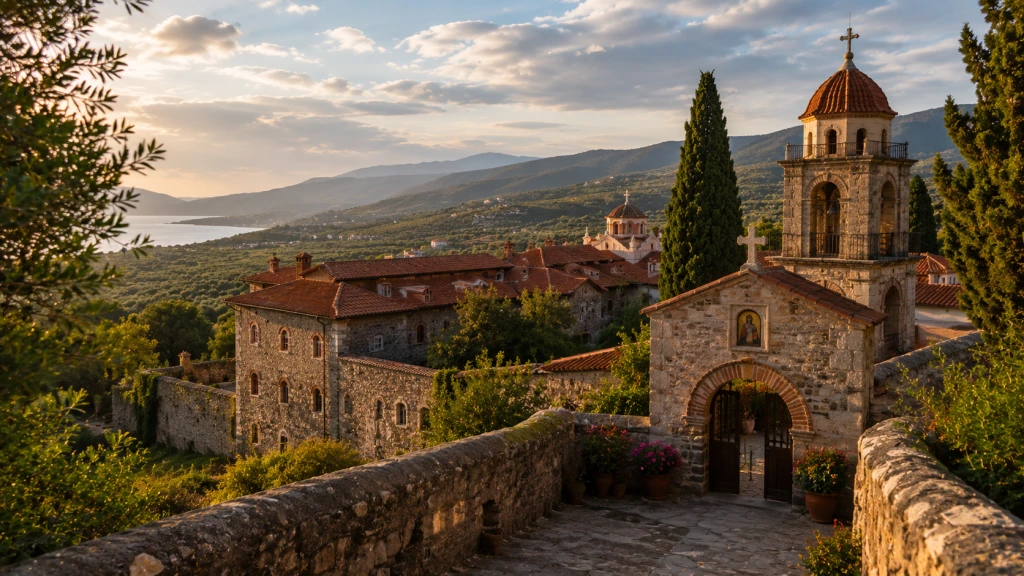
Midilli Limonos Monastery (Moni Leimonos) – A Center of History, Culture, and Faith

Introduction

Lesvos Island, one of the oldest historical regions of the Aegean Sea, carries traces of many cultural layers from ancient times to Byzantium, from the Ottoman period to modern Greece. One of the most important structures of this historical heritage is the Limonos Monastery.

Officially named "Agios Ignatios Monastery," this religious structure has played a significant role in the religious, cultural, and educational history of Lesvos. Founded in the 16th century, the monastery has served not only as a place of worship but also as an educational institution, library, cultural center, and pilgrimage site over the centuries.

Location and Geography

Limonos Monastery is situated near the center of Lesvos Island, in a wide plain surrounding the Kalloni Gulf. The name of the monastery comes from the Greek word "Leimon," meaning "meadow" or "pasture." Indeed, the monastery is established in the midst of a vast meadow area.

Due to its location, it has been easily accessible for visitors coming from both inland and coastal settlements throughout history.

Byzantine Origins

According to Greek historians, there was an older religious structure at the site of Limonos Monastery during the Byzantine era. However, during the conquest of Lesvos by the Ottoman Empire in 1462, this structure was largely abandoned or destroyed.

Therefore, the monastery seen today was later established at the same site where the ancient Byzantine monastery once stood.

Foundation (1526)

The present monastery was founded in 1526 by Saint Ignatios Agallianos. Saint Ignatios was serving as the bishop of Methymna (Molivos) at the time and was regarded as one of the religious leaders respected in the Orthodox world.

The monastery was initially dedicated to Archangel Michael. Over time, it started to be referred to as the Saint Ignatios Monastery in memory of its founder.

The Monastery During the Ottoman Period

While under Ottoman rule, Lesvos Island continued to see the monastery carry on its activities. This demonstrates the importance of the monastery in the social and economic structure of the island.

The monastery had vast lands, olive groves, and agricultural fields. Additionally, it became a financially strong institution thanks to mills and production facilities. It is known that at one point more than 150 monks lived in the monastery.

Limonos as an Educational Center

Limonos Monastery is not only a religious institution but also a significant educational center. The "Limoniada School" was established within the monastery, where theology, philosophy, mathematics, and classical sciences were taught.

One of the most important figures teaching at this school was Benjamin of Lesbos, who is considered one of the key thinkers of the Greek Enlightenment.

Library and Manuscripts

One of the most important treasures of the monastery is its library. The Limonos Monastery library houses hundreds of manuscript works.

In the library:

- There are over 500 manuscript codices

- More than 20,000 books

- Rare works from the 15th and 16th centuries

These collections represent a significant cultural heritage not only for Lesvos but for the entire Aegean region.

Architectural Structure

The monastery complex consists of many different buildings, including the main church (Katholikon), monk cells, chapels, guesthouses, and various service buildings.

The main church seen today was rebuilt in 1795. The interior of the church features gilded icons, frescoes, and impressive woodwork.

The Avaton Tradition

Limonos Monastery is one of the monasteries that partially practice the "Avaton" tradition in the Orthodox world. According to this tradition, women are prohibited from entering certain parts of the monastery.

However, this prohibition does not apply to the entire monastery. Certain religious festivals allow women visitors to be granted entrance.

World War II Period

During World War II, the monastery witnessed significant events. During the German occupation, some Allied soldiers were hidden and protected by the monastery.

As a result, the head of the monastery was arrested by the Germans and held in a concentration camp for a period.

The Monastery Today

Today, Limonos Monastery is still an active Orthodox monastery. It is also one of the most important tourist and religious sites in Lesvos.

Every year, a religious festival held in honor of Saint Ignatios attracts thousands of visitors to the island.

Tourism and Cultural Importance

Limonos Monastery is an important stop for tourism in Lesvos. Visitors here can not only see a religious structure but also explore the island's history, architecture, and cultural heritage.

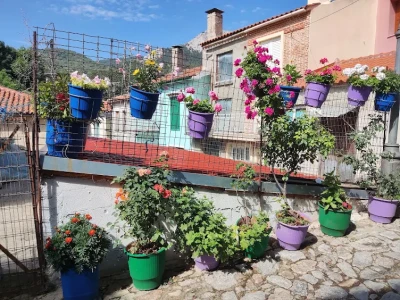
There are nature walking trails, olive groves, and historic villages around the monastery. Thus, it is a significant point for both cultural tourism and ecotourism.

Conclusion

Limonos Monastery is one of the key structures for understanding the history of Lesvos Island. It has a story that stretches from its Byzantine roots to the Ottoman period, from modern Greece to the present.

As a center of education, culture, and religious life, this monastery is considered one of the most important historical heritages of Lesvos.

Related articles and links

Continue reading

Travel planning and information sources

Links provide additional information and help with travel planning. Schedules, prices, events and visiting conditions may vary by date.

Our Blog Posts

Our partners

Frequently Asked Questions

GÜVENTUR offers Lesvos tours and ferry services from Dikili, Ayvalık, Akçay and Aliağa. Available departure ports and sailing times vary by season and programme; check the details of your chosen trip before booking.

Options include day trips, 2 days / 1 night and 3 days / 2 nights. Please be at the port at least one hour before departure for check-in and passport procedures, and follow any earlier reporting time stated on your ticket.

The Greek island facilitated-entry visa scheme is intended for eligible Turkish citizens travelling by sea from Türkiye to participating Greek islands. It requires an application and approval; it is not a visa that every traveller can obtain simply by arriving at the port.

Contact GÜVENTUR before booking to confirm whether the scheme is operating for your travel dates, the permitted stay, fees, required documents and submission deadline. Prepare your passport copy, biometric photographs, financial documents, return ferry booking and accommodation details as requested. Entry remains subject to the Greek authorities’ decision.

Browse the Lesvos tours or ferry tickets on the GÜVENTUR website. Open the product details, choose an available date and departure port, and review the programme, inclusions and conditions before completing your booking.

For help choosing a trip or checking availability, contact GÜVENTUR through the website’s contact or WhatsApp options. Your booking confirmation will include the relevant travel and document instructions.

The file generally includes a valid passport and copy, recent biometric photographs, the completed and signed application form, financial documents, a return ferry booking and accommodation confirmation. Additional documents may be required for your circumstances.

Ask GÜVENTUR for the current checklist and submission deadline before preparing your file. Passport validity, blank pages, photograph requirements and supporting documents must meet the Greek authorities’ current rules. Submitting documents does not guarantee visa approval or entry.

Travellers must carry a valid passport and meet the entry requirements applicable to their nationality and passport type. Turkish citizens holding ordinary passports generally need a valid Schengen visa or an approved visa under the Greek island facilitated-entry scheme, where available.

Visa exemptions apply to certain Turkish special, service and diplomatic passport holders. These rules do not apply automatically to travellers of other nationalities. Confirm your eligibility and current document requirements before booking; GÜVENTUR can assist with document checks and the application process.

GÜVENTUR can help arrange car rental on Lesvos. Port or hotel collection may be available, depending on the rental company, vehicle availability and your booking.

Book in advance, especially in busy periods. Before confirming, check the accepted driving licence, minimum age, deposit, insurance, collection point and return conditions with the rental provider. Turkish-language support is available through GÜVENTUR.

GÜVENTUR offers day trips, 2-day tours with 1 night and 3-day tours with 2 nights on Lesvos. Day trips usually return on the same day; overnight programmes allow more time to explore the island.

Depending on the itinerary, visits may include Molyvos, Petra, Plomari or Agiasos. Not every programme visits every destination. Check the selected tour page for the exact itinerary, accommodation, departure times and included services.

Children and infants need their own valid travel documents and must be included in the ferry booking. Visa requirements depend on the child’s nationality and passport type; being a child does not by itself create a visa exemption.

Child and infant fares, age limits and any visa-related charges vary by operator and programme. Check the selected trip and contact GÜVENTUR about the documents needed for minors, including any consent or accompanying-adult requirements.