Poet, Statesman, and Traces in the Island Wind
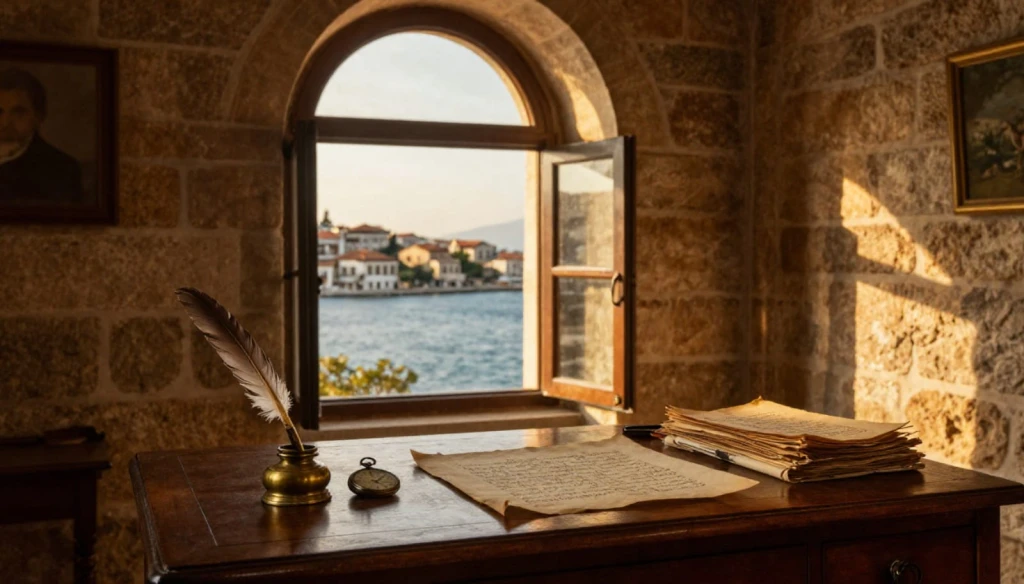
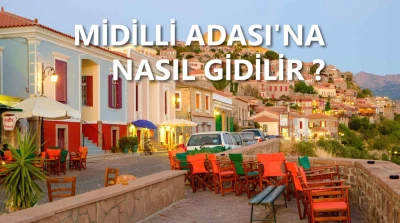
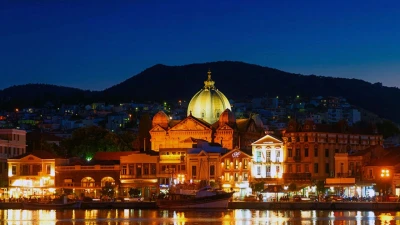
Lesvos Island is a peaceful holiday destination today for most visitors, with its calm streets, harbor, and stone houses.
However, at the end of the 19th century, this island became both a workplace and a laboratory where one of the most important thinkers of the Ottoman Empire developed his ideas: Namık Kemal.
Serving as the Mutasarrıf (district governor) of Lesvos between 1877 and 1884, Namık Kemal was not only involved in administrative tasks; he also undertook real work on social transformation, education, justice, and cultural integration.
Today, a visitor wandering through the streets of Lesvos unknowingly walks over his traces.
1. A Statesman in Lesvos: Reform, Balance, and Struggle
Arrival to Office
Namık Kemal was not appointed to Lesvos as a “exile” but directly as mutasarrıf.
On the island, there was a delicate balance between the Greek and Turkish communities, consular pressures, trade relations, and harbor revenues. He sought to maintain this balance.
Tax and Trade Regulations
During his term, he made arrangements particularly in the following areas:
- The pursuit of justice in harbor and dock taxes
- The elimination of unfair fees in inter-island trade
- Regulatory work on income and property taxes
- Harbor inspections against smuggling (especially against foreign ships)
Road and Infrastructure Works
There were significant problems with rural roads, passageways, and culverts.
Namık Kemal initiated infrastructure projects with a system called “amele-i mükellefe” involving the public:
- Rural connection roads
- Small bridges
- Olive grove roads
hence starting various infrastructure works.
Diplomatic Pressures
Some foreign consulates and local interest groups were disturbed by his strict measures.
As a result, the end of his term was marked by political struggles.
2. Education and Social Transformation: The Effort to "Raise People"
Namık Kemal's greatest ideal in Lesvos was an education mobilization on the island.
Schools He Opened and Supported
- Rüşdiye and primary schools in the central part of the island
- Renovation of village schools
- Initiatives supporting the education of girls
Cultural Integration
The Greek and Turkish people lived side by side in Lesvos. Namık Kemal:
- Aimed to reduce language barriers
- Promoted social integration
- Worked towards a common ground in education
adopted a balanced policy in these matters.
3. The Golden Age of Literary Production: Inspiration from Lesvos
Namık Kemal did not only run state affairs in Lesvos; he experienced one of the most productive years of his literary career.
Here:
- Cezmi was completed
- Wrote many poems including “Vaveyla”, “Murabba”, “Vatan Mersiyesi”
- Described the nature, sea, streets, and people of Lesvos in his letters
Lesvos was like a workshop for him:
The silent harbor, stone streets, olive groves… all seeped into his works.
4. Departure from Office and Subsequent Steps in Journey
As pressures from local interest groups, consulates, and the central authority increased, Namık Kemal's administration became more challenging.
In 1884, he was appointed to Rhodes, and then to Chios.
Health issues also began to worsen during this period.
5. A Special “Namık Kemal Route” for Visitors: Traces Step by Step in Lesvos
Here is a wonderful route to follow Namık Kemal's traces while exploring the island:
1) Διοικητήριο – Old Administration Building
The current administrative structure.
It is considered the place where Namık Kemal carried out his official duties.
Why is it important?
Here, the trade, roads, taxes, and justice of the island were planned.
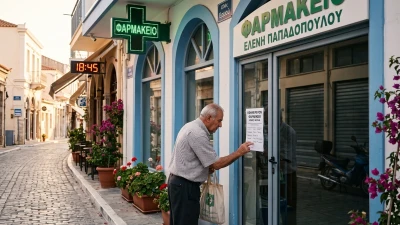
2) Arka Meydan – Small Cafés Area
Take a break in the streets behind the administrative building.
Why is it important?
It is the area where Namık Kemal frequently conversed with the public and gauged public sentiment.
3) Ermou Bazaar and Ottoman Streets
Still carries traces of the Ottoman period today.
Why is it important?
It was a critical area for controlling the commercial heart of the island and preventing smuggling.
4) Historical School Buildings and Neighborhoods
Although some school buildings have been demolished, traces can still be followed.
Why is it important?
Places where the education mobilization began.
5) Transitions between Turkish and Greek Neighborhoods
Narrow streets, passages between stone houses…
Why is it important?
A real neighborhood texture where you can see Namık Kemal's vision of cultural integration in action.
6) Olive Grove Roads and Village Routes
As you head towards the rural side of Lesvos…
Why is it important?
Areas where Namık Kemal directly engaged with villagers and visited for infrastructure projects.
6. A Little Message for Those Going to Lesvos
When you walk in Lesvos, you are not just exploring an island.
The struggle for justice of a statesman, the longing for the homeland of a poet, and the idealism of a thinker are embedded in these streets.
“Namık Kemal didn’t just serve here; he thought, wrote, and fought.”
When a harbor breeze blows, perhaps a sentence from his idea of “freedom” may touch you.