The Taste Distilled with Tradition in Lesvos
When you arrive in Lesvos, it is essential to explore not only its coves, stone houses, and tavernas but also the ouzo culture that embodies the spirit of the island. One of the most important stops in this culture is the Varvayanni (Barbayanni) Ouzo Museum, located in Plomari.
A 160-Year-Old Family Tradition
The Varvayanni family’s ouzo journey began in 1860 when Efstathios Varvayanni established the first stills in Plomari.
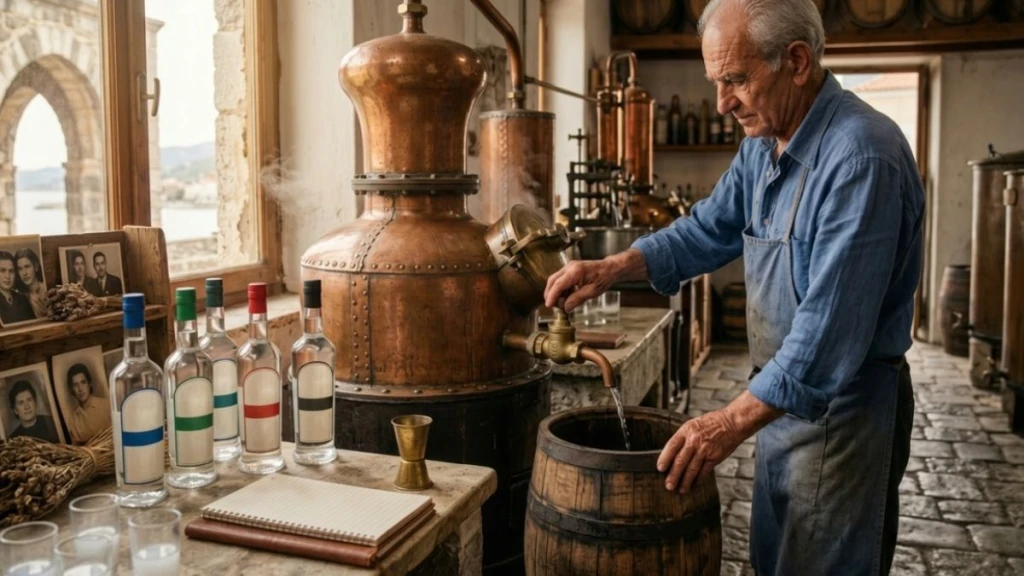
The copper stills produced in Ottoman Constantinople are displayed in the museum located next to the factory.
The family production is now maintained by the 5th and 6th generations. Traditional distillation techniques combined with modern hygiene and quality standards result in ouzos produced with 100% distillation.
The Ouzo Museum: A Story and a Tasting Experience
The museum is a special area that tells the history and production processes of ouzo step by step. The sections that can be seen during your visit include:
- 1858 Ottoman stills
- Old bottling and labeling machines
- Documents and photographs from the family archives
- Short presentations and visual narratives
- Ouzo tasting at the end of the tour
Visitors can taste five different ouzo varieties from Varvayanni. Options like the classic “Blue”, the lighter “Green”, the characterful “Red – Evzon”, and the sophisticated “Aphrodite” leave a different impression on every palate.
Location and Visiting Information
Address: Plomari – on the road to Agios Isidoros (45–50 minutes from the center)
Visiting Hours:
- Monday–Friday: 09.30 – 15.30
- Saturday: 09.30 – 13.30
- Sunday: Closed (can be opened for appointments)
Admission: Free
GÜVENTUR Lesvos tours include the Plomari program and visits are conducted with a guide.
About the Tasting
Varvayanni ouzos do not add sugar. This provides a more natural and clear anise character in the drinking experience.
Main Series:
- Blue (%46) – Classic and balanced
- Green (%42) – Soft and smooth
- Evzon – Red (%47) – Intense and full-bodied
- Aphrodite – Black (%48) – Sophisticated, high-aromatic
- Special Distillate – Collectible product
Products that are liked after tasting can be purchased from the museum shop.
Tips for Visitors
- After the tasting, a short walk to Agios Isidoros Beach can be taken.
- Photography is allowed; permission may be required for professional equipment.
- It is recommended to visit early in the morning as it can be crowded during the summer season.
Uzo and Raki: The Journey of the Same Anise in Two Cultures
Anise-flavored beverages reflect the common geographical and cultural ties of Turkey and Greece. Although Uzo and Raki seem similar at first glance, there are essential differences in their production, aroma, and cultural usage.
1. Differences in Ingredients and Production
FeatureUzo (Greece)Raki (Turkey)Main ComponentNeutral agricultural alcohol + anise + aromatic herbsSuma (fermented grape/fig) + aniseDistillation100% distillation1–2 distillationsAroma ProfileVaries from anise, mint, cinnamon, to cardamomOnly aniseAlcohol Content%37.5 – %48%40 – %45SugarMany brands do not add (Varvayanni does not add)Sugar can be added within legal limits
Due to the neutral alcohol base of Uzo, the anise aroma is more pronounced; whereas Raki has a richer body due to its fruit (grape) based suma.
2. Taste and Drinking Culture
CriteriaUzoRakiTasteAromatic, floral, lightFull-bodied, distinct grape flavorDrinkingWith cold water/ice; light mezeWith water; long and sociable meze cultureWhitens“Loucing effect”“Lüleleşme”
3. Place on the Table
Uzo in Greece:
Generally consumed by the seaside at sunset, accompanied by light meze. It represents the calm rhythm of summer evenings.
Raki in Turkey:
More focal point of dinner. It becomes a strong social ritual with meze, music, and long conversations.
4. Known Brands
Greek Uzo:
- Ouzo Plomari
- Varvayanni
- Mini Mytilinis
- Veto
- Samara
Turkish Rakis:
- Yeni Rakı
- Tekirdağ
- Efe
- Beylerbeyi
- Altınbaş
Conclusion
Uzo and Raki are different beverage traditions reflecting the cultures of two countries.
Uzo carries the essence of summer breezes with its light and aromatic structure, while Raki offers a more robust character that accompanies deep conversations.
The Varvayanni Ouzo Museum is a must-visit stop for those who want to witness this tradition in place and witness the story of ouzo.