The Economic Power of Olive Growing and Agriculture
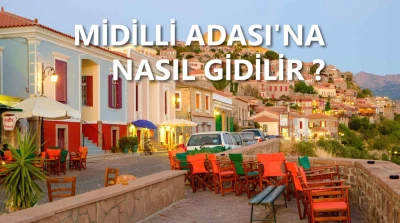
Surrounded by the cool breezes of the Aegean Sea, with its stone villages and century-old olive trees, Lesvos (Midilli) is one of Greece's most important agricultural centers. The island has established a unique economic system beyond tourism, rooted in a rich tradition of olive cultivation and a strong agricultural culture.
A Story That Begins with Olives
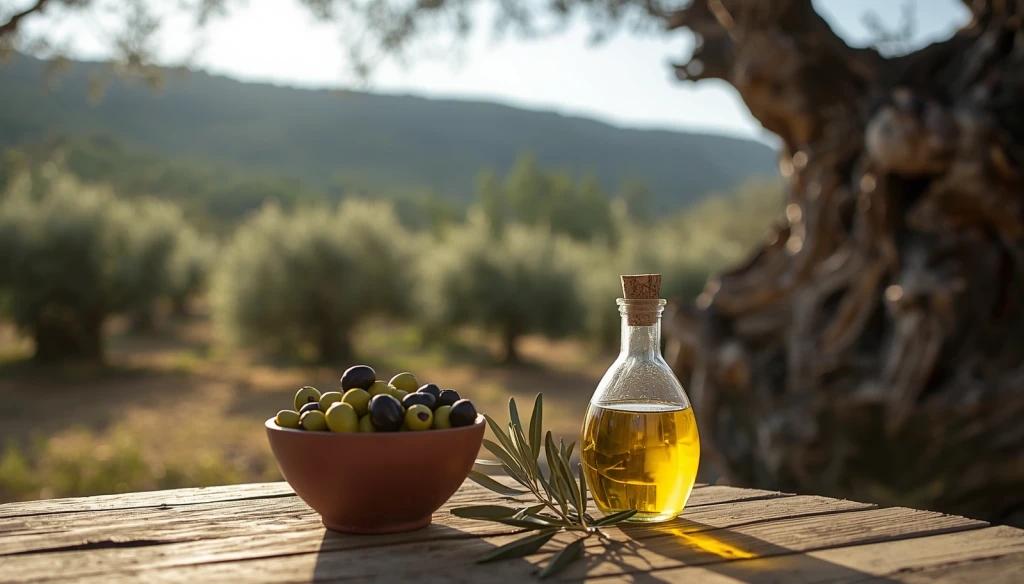
Lesvos is home to approximately 12 million olive trees.
The slopes, valleys, and village surroundings of the island are covered with century-old olive trees. Many olive trees have been passed down through generations.
The roots of olive cultivation date back to ancient times.
Olives have been one of the island's sacred and economic products, spanning from Ancient Greece to the Ottoman Empire. Even today, olives occupy a central place in the cuisine and culture of Lesvos.
Production Figures: The Economic Engine of the Island
Lesvos is Greece's second-largest olive oil production center.
Key data:
- Olive trees: ~12 million
- Annual olive oil production: 50,000 – 60,000 tons
- Olive oil quality: Low acidity – PDO (Protected Designation of Origin) products
- Production regions: Gera, Agiasos, Plomari, Kalloni, Mandamados, Skoutaros
Both large cooperatives and family businesses are involved in production. A significant portion of production still happens using traditional methods.
Challenges Faced
Despite its high potential, Lesvos olive cultivation faces several structural problems.
1. Inheritance Issues
The inability to divide lands leads to neglected olive groves and production loss.
2. Lack of Modern Agriculture
Many producers are still:
- Harvesting by hand
- Lacking irrigation infrastructure
- Unable to achieve organic certification
- Having low interest from the younger generation in agriculture
3. Insufficient Support Policies
Government incentives are found to be complex, and EU agricultural funds are not efficiently utilized. This reduces producers' willingness to invest.
Characteristics of Lesvos Olive Oil
Lesvos olive oil is considered one of the highest quality products in the world.
Prominent features:
- Acid rate: 0.3 – 0.8
- Fruity, slightly spicy aroma
- High antioxidants in early harvest varieties
- PDO (geographical indication) labeled products
- Special oils produced in traditional stone presses
In the island's cuisine, almost every recipe is prepared with olive oil, from salads to hot dishes.
Village Life and Olive Culture
Olive production is still a part of daily life in Lesvos villages.
- Farmers heading to olive groves early in the morning
- Families holding olive sorting gatherings at home
- Pressing in traditional stone presses
- Preparing brine and winter oil stocks
This culture also offers a unique experience to tourists.
Olive Oil Museums and Agro-Tourism
Many old olive oil factories in Lesvos have been transformed into museums.
Key points:
- Vrana Olive Oil Museum – Papados
- Plomari Olive Oil Factory
- Agia Paraskevi Olive Museum
In these museums, both the production processes are narrated, and tasting events are held.
With agro-tourism tours, visitors closely witness the lives of the producers.
Recommendations for the Future
Lesvos olive cultivation can become even stronger in the future. The suggested steps are:
- Digiitalization of cooperatives
- Expansion of organic certification programs
- Effective use of EU agricultural funds
- E-commerce projects aimed at local producers
- Widespread promotion of agro-tourism routes
A Different Lesvos Experience for Visitors
For those visiting Lesvos, participating in an olive harvest, seeing traditional soap production, or tasting oil offers an opportunity to experience the island from a different perspective.
True Aegean is not just about the sea and sun; it's the stories of the people working in the olive groves, sounds from the old presses, and the scent of olives.
Conclusion: Lesvos Exists Through Olives
Olive cultivation is not only Lesvos's economic strength; it is its identity, culture, and a way of life that has persisted for centuries.
It is the responsibility of both the local people and the visitors who discover the island to preserve and carry this heritage into the future.
If you find yourself in Lesvos, be sure to direct your route towards the olive groves.
The island's real treasure is hidden in the shadow of the age-old olive trees.